Responsible Play: A Guide to Budgeting for Kerala State Lotteries
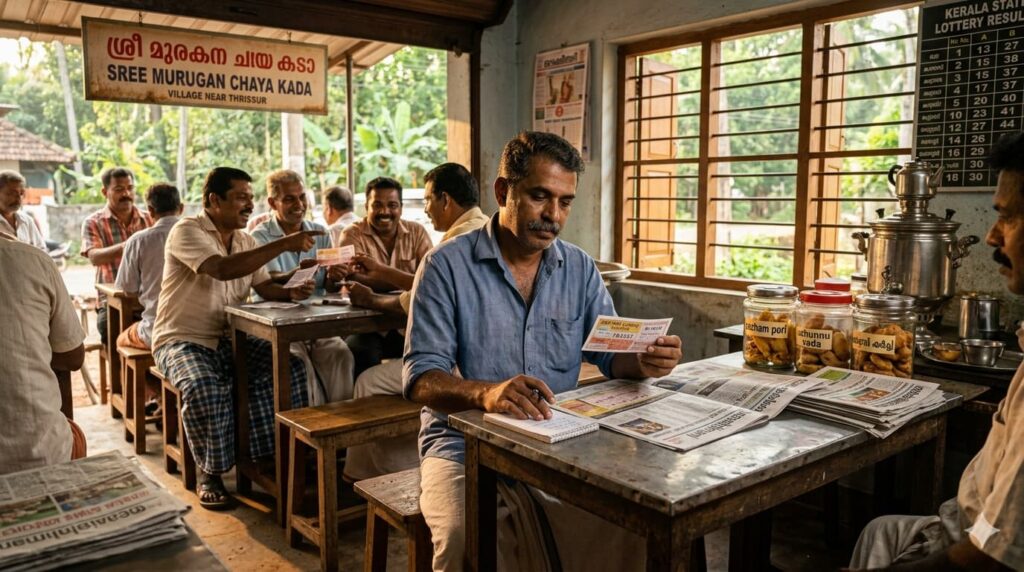
Every afternoon at 3:00 PM, life across Kerala pauses for a moment of anticipation. From tea stalls to bus stops, conversations turn to the day’s lottery draw—whether it’s the Win-Win on Monday or the Karunya on Saturday. For many families, this ritual is less about gambling and more about hope: the dream of a sudden windfall, the thrill of possibility.
But here’s the truth: the real “lucky number” isn’t printed on your ticket. It’s hidden in your budget. Playing responsibly is the only way to keep the lottery fun, safe, and sustainable. This guide will show you how to enjoy the excitement without letting it disturb your financial peace.
1. The “Extra Tea” Rule
Think about how casually we spend ₹15 or ₹20 on a cup of tea and a snack. It’s a small indulgence, something we don’t even calculate into our monthly expenses. That’s exactly how a lottery ticket should feel—an optional treat, not a necessity.
If buying a ticket means skipping rice for the week, delaying your electricity bill, or cutting into your child’s school fees, then it’s no longer entertainment. Responsible play means tickets should come only from discretionary income—the money left after essentials and savings are taken care of.
Simple test: if you wouldn’t hesitate to spend the same amount on tea or a bus ride, then it’s safe to spend it on a ticket.
2. Setting a Weekly Budget with Real Numbers
Kerala lottery tickets are usually priced at ₹40 or ₹50. That may sound small, but daily play adds up quickly. To stay safe, set a clear weekly budget.
Let’s take an example. Rajesh, who works in a private firm, earns ₹25,000 per month. His household expenses look like this:
| Category | Amount (Monthly) |
|---|---|
| House Rent & Electricity | ₹7,000 |
| Groceries & Provisions | ₹6,000 |
| Education & Medical Buffer | ₹4,000 |
| Savings (Gold/Chitty/Bank) | ₹3,000 |
| Available “Fun” Money | ₹5,000 |
From this ₹5,000 surplus, Rajesh covers travel, mobile recharges, and entertainment. If he decides to allocate 10% of this surplus to the lottery, that’s ₹500 per month.
- Weekly Budget: ₹125
- What this buys: Roughly 3 tickets per week (at ₹40 each).
By sticking to this ₹125 limit, Rajesh enjoys the thrill of the draw without ever worrying about his bank balance. The key is discipline: once you set your limit, don’t cross it.
3. Beware of the “Bumper” Temptation
Kerala’s Bumper Lotteries are legendary—the Summer Bumper with its ₹10 crore prize, the Thiruvonam Bumper offering ₹25 crore. But these tickets cost ₹500 each.
The mistake many players make is buying a Bumper ticket in addition to their regular weekly tickets. That’s how budgets spiral out of control.
Responsible play tip: If you want to buy a ₹500 Bumper ticket in March, pause your weekly tickets for that month. Keep your total spending constant.
4. What You Really Take Home After Tax
Winning is thrilling, but it’s important to understand the reality of lottery taxation in India. Under Section 194B of the Income Tax Act, lottery winnings are taxed at 30%, plus surcharge and cess. The effective rate is about 31.2%.
Example: If you win ₹1,00,000, you won’t take home the full lakh. After tax, you’ll receive around ₹68,800.
Knowing this keeps expectations realistic. Don’t plan your life around the “gross” prize. Always calculate based on the “net” amount you’ll actually receive.
5. Ritual vs. Obsession
For many, buying a ticket is a ritual. Maybe the number matches your bike’s registration, or it’s the date of your wedding anniversary. That’s part of the fun.
But when ritual turns into obsession, it becomes dangerous. Warning signs include:
- Buying multiple series of the same number.
- Spending travel money on extra tickets because you “feel lucky.”
- Believing you have a system to predict results.
Remember: every draw is independent. Winning yesterday doesn’t increase your chances today. Losing for a month doesn’t mean you’re “due” for a win tomorrow. The lottery is pure chance—no system can change that.
6. Practical Tips for Kerala Players
- The Shop Stop: Choose one trusted lottery agent in your neighborhood. Visit them only on a fixed day, like Saturday for the Karunya draw.
- Avoid Credit Play: Never buy tickets on credit. If you don’t have ₹40 in your pocket, skip the ticket.
- Check Official Results: Use only the Kerala State Lottery Gazette or official government websites. Unofficial apps often create “near-miss” anxiety, which tempts overspending.
7. Signs of a Problem
Sometimes, play crosses the line into harm. Ask yourself these questions:
- Are you hiding tickets from your spouse or family?
- Do you feel anxious if you miss a day of playing?
- Are you dipping into savings or emergency funds for tickets?
- Do you believe the lottery is your only way out of debt?
If you answered “yes” to any of these, it’s time to take a break. Responsible play means knowing when to stop.
Summary: Keeping the Hope Healthy
The Kerala Lottery is more than a game—it’s a state-run institution that funds healthcare and welfare schemes. Your ₹40 ticket contributes to social good, even if you don’t win.
But the real win is balance. Keep your budget small, your expectations realistic, and your family’s financial security at the center. Play for joy, not for escape.
In the end, the lottery should remain what it was always meant to be: a spark of hope, a moment of excitement, and a harmless ritual. When you play responsibly, you don’t just chase luck—you protect your peace of mind. And that, truly, is the biggest prize of all.
Disclaimer: This article is for informational purposes only. We do not promote or encourage gambling. Readers are advised to participate responsibly and verify all information with official sources.
Also Read:
Kerala Lottery Result Chart – Daily Updated Winning Numbers